
Using Virtual Reality (VR) and Augmented Reality (AR) for training in the manufacturing sector
VR allows employees to practice safely with machinery and emergency situations, while AR displays instructions live on the floor.

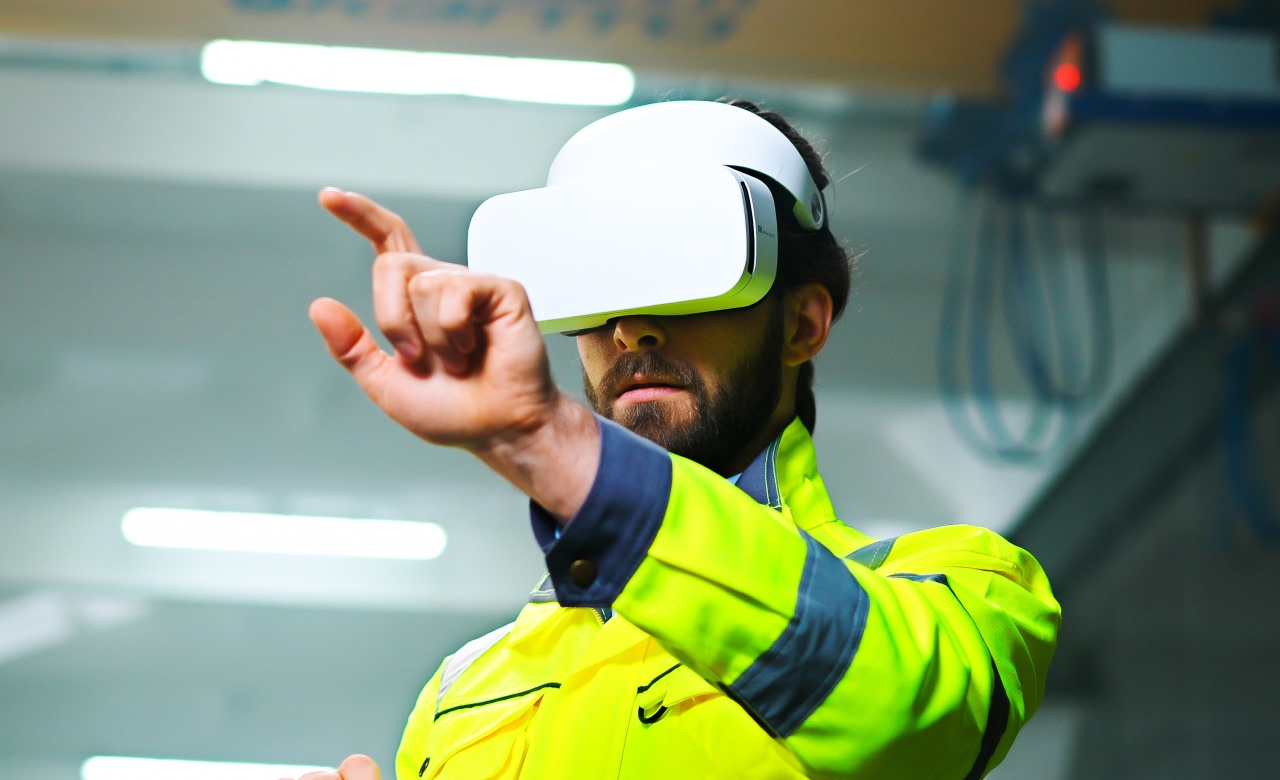
Technological innovations such as artificial intelligence, automation, and data analytics are bringing about fairly drastic changes in how factories operate. One of the most effective ways to support these changes is by using Virtual Reality (VR) and Augmented Reality (AR) in employee training and development. These technologies not only add a new dimension to learning, but also make it possible to raise safety standards, transfer skills faster and more effectively, and make staff more versatile. In this blog post, we discuss how VR and AR can transform the manufacturing and factory environment and why these forms of e-learning are indispensable for the future of the manufacturing sector.
What is Virtual Reality?
Virtual Reality is a technology that lets users enter a computer-generated 3D environment and interact with it as if they were actually there. For the manufacturing sector, this means employees can practice operating machines, performing maintenance, or responding to emergencies virtually, without physical risk to themselves (or to the factory, machines, materials, etc.). They wear a VR headset and are immersed in a realistic simulation in which they can work through various scenarios.
Benefits of Virtual Reality in the factory
By practicing in a controlled virtual environment, employees can sharpen their skills before they actually start working with the machines or processes. Think of training new operators, learning safety procedures, or practicing how to resolve malfunctions. VR makes it possible to do this without danger and with a high return on learning. The benefits of VR in the factory at a glance:
- Active, hands-on training
- High level of engagement and motivation
- Faster learning of complex skills and processes
- Reduction of downtime and errors on the work floor
- Improvement of safety procedures through more realistic practice
- Cost-effective: fewer physical training materials needed and lower risk
What is Augmented Reality?
AR brings digital information into the real world. Via smartphones, tablets, AR glasses, or heads-up displays, virtual objects and instructions are projected into the physical environment. For production employees, this means, for example, that while working they can see instructions, maintenance data, or safety information directly, without having to consult a manual or loose papers.
Benefits of Augmented Reality in the factory
AR allows technicians, for example, to follow instructions through AR headsets while working on complex machines. This makes the maintenance procedure faster and less error-prone, and knowledge is shared better and more effectively among team members. The benefits of AR in the factory at a glance:
- Real-time support on the work floor
- Practical exercises with immediate feedback
- Improved efficiency and accuracy in maintenance and repairs
- Less production downtime and greater continuity
- Knowledge sharing between experienced and less experienced employees
- Cost-effective due to fewer human errors and shorter training times.
Why invest in VR and AR for manufacturing companies?
The benefits are substantial: faster training of employees, higher safety standards, fewer errors, and more efficient production processes. In addition, VR and AR make training flexible and scalable, so your employees can practice where and when it suits them best. Using advanced technologies such as VR and AR helps manufacturing companies adapt to the fast-changing market and put new skills to use quickly.
Practical applications of VR and AR in the manufacturing sector
- Factory tours and onboarding: Virtual tours help new employees find their way quickly and increase their sense of engagement.
- Operator training: practice with new machines without downtime or risks.
- Maintenance and troubleshooting: AR systems guide technicians in real-time during complex repairs.
- Safety training: simulations of dangerous situations without risk to employees.
- Process optimization: virtual scenario training for testing new workflows.
- Fault analysis: virtual simulations allow employees to learn how to handle malfunctions faster and better.
- Continuous learning and knowledge sharing: via AR discussion platforms and shared virtual workspaces.
Why choose Pluvo?
When implementing VR and AR in manufacturing e-learning, it is important to choose a platform that fits the specific needs of your organization. Pluvo is specifically designed for creating, managing, and analyzing interactive e-learning modules, including VR and AR support.
What makes Pluvo so suitable for the manufacturing and factory sector? First, Pluvo offers extensive possibilities for developing engaging, practice-oriented training. You can combine simple instructional videos with interactive simulations, quizzes, and gamification elements to increase employee engagement. In addition, the platform is highly scalable: whether you want to train 10 or 10,000 employees, it can all be done with Pluvo!
Pluvo also offers powerful reporting tools. You get insight into your employees’ progress, which modules they have completed, and what results they have achieved. This helps you continuously optimize the effectiveness of your training and measure learning outcomes. Thanks to the intuitive interface, even employees without a technical background can easily put together and adjust modules.
Furthermore, Pluvo supports VR and AR integration, so you aren't limited to traditional online modules. You can create rich, interactive VR and AR environments that make the learning experience even more realistic and effective.
In short: Pluvo combines ease of use, flexibility, and powerful analytics, making it the ideal solution for manufacturing companies and factories looking to train their staff using the latest technologies. Want to learn more? For example, with a no-obligation demo, where you can explore the various possibilities for your organization, or call +31 (20) 560 5001.

Keep reading
Get inspired by our other blog posts