
Prepare your employees for cybercrime with these cybersecurity tips!
Five tips to make employees, often the weakest link, more resilient against phishing and data breaches.

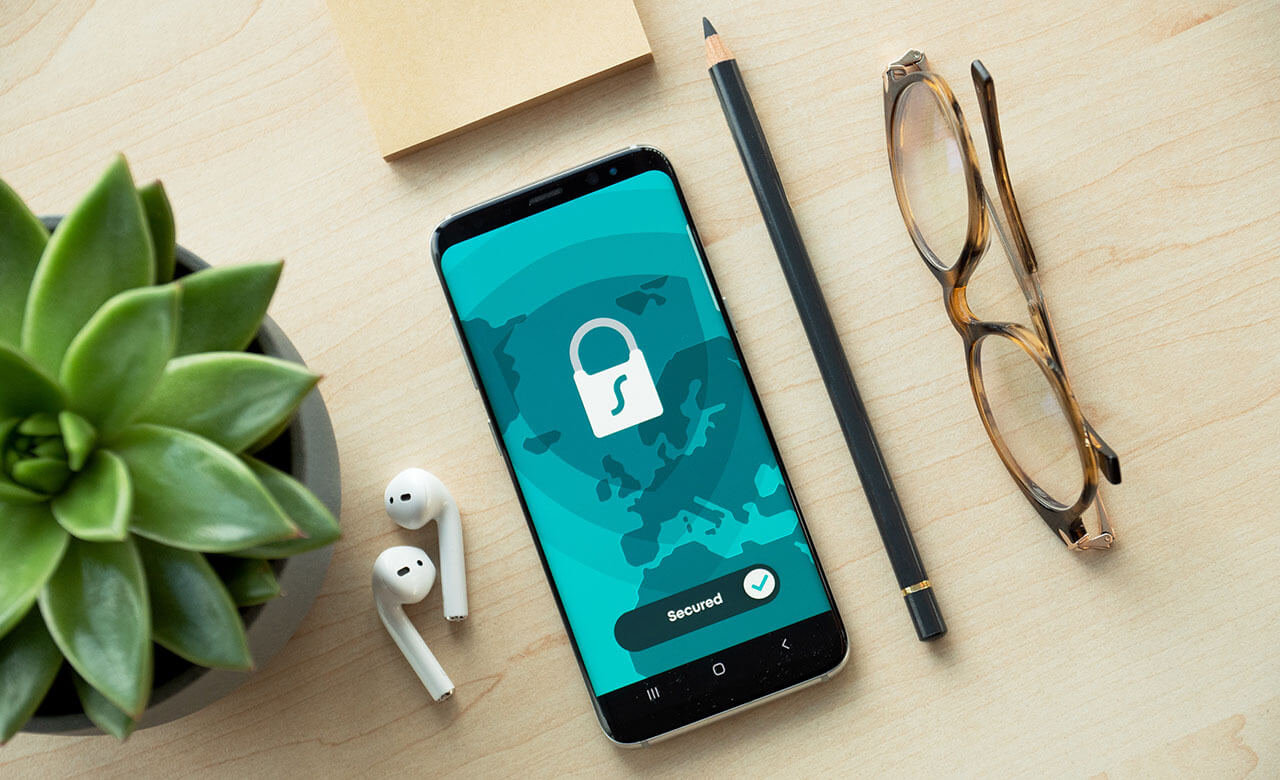
A significant amount of information is sent out into the world every day. We like, share, and tag things for both personal and professional reasons with great enthusiasm. While incredibly convenient and fast, most of us are frequently skating on thin ice. We aren't just a bit careless at times; cybercriminals are also becoming increasingly clever at phishing and hiding malware.
What is cybersecurity?
Cybersecurity (information security) involves taking measures to protect the availability, integrity, and confidentiality of data. This allows you to prevent a data breach, ensuring that confidential information does not fall into the wrong hands—such as those of cybercriminals.
Has your company sufficiently prepared for this? Does the contract with your IT service provider contain any hidden clauses regarding liability if things unexpectedly go wrong? Have you invested in more than just a spam filter and anti-spyware? For instance, do you have a data breach filter that tracks emails containing sensitive information like bank account numbers or social security numbers? If so, you are well on your way. But you aren't there yet. Don't forget the weakest link in cybersecurity: the employee themselves.
Even people who are known as active security nerds in their private lives often lean back quite comfortably at work, under the assumption that IT will have everything well taken care of.
But where people work, mistakes are made. You might recognize this yourself. You get distracted for a moment and click on that malicious link. You share a copyrighted document with an acquaintance because you thought it wouldn't do any harm. Or, you unintentionally agree to an auto-complete suggestion in the address bar when sending an email containing sensitive information.
5 tips to prevent a data breach
Of course, we don't have the illusion that every company can be made 100% data-breach-proof. However, we do have a few good tips that can significantly increase your company's digital security.
Tip 1 - Increase security awareness among employees
What is security awareness? Security awareness refers to the knowledge and attitude of your employees regarding the safe handling of data within your organization.
For some people, cybersecurity feels like a distant concern. They are sometimes unaware of the sensitive aspects they deal with in their daily work. That is why we would like to provide you with a number of security awareness examples that you can implement within your organization.
First, it pays to regularly discuss data security during team meetings and focus on recognizable practical examples where digital security was at stake. It is important that this is not about assigning blame. It is more productive to discuss how certain mistakes could have been prevented.
Second, it is good to keep the topic of cybersecurity on the agenda by having all colleagues create new (strong!) passwords every four weeks. Ask your IT wizard to occasionally send out fake phishing emails to see how people react and who might need extra support in developing their security awareness. Such a test is not only a good measurement tool; it is also a wake-up call for all colleagues, regardless of whether they fell for it or not.
Tip 2 - Be clear about what can and cannot be shared
What is obvious to you may be a big question mark for someone else. Therefore, do not rely too much on common sense and other people's intuition. Clearly documenting which data can be shared internally and externally, and with whom, is not an unnecessary luxury. Determine the authorization level and decision-making authority for each job role.
Does someone cross the line without permission? Make it clear in advance what the consequences will be, and act accordingly.
Tip 3 - Stress is one of the biggest cyber threats
Research shows that many mistakes are made in the daily hustle and bustle. Clicking a link or sending an email just a little too quickly can have major consequences. Before you know it, production data or pricing information ends up with a competitor, or a medical leave file is sent to the wrong employee.
Does such an incident happen regularly in your organization? Then it is advisable to take a targeted look at the workload within the departments where these types of mistakes occur. Perhaps one or more people are overloaded. It might be possible to adjust task distributions or budget for slightly more staffing.
Read more here about tackling stress at work.
Tip 4 - Neem cybersecurity mee in de exitprocedure
Verlaat een medewerker de organisatie? Zorg er dan voor dat niet alleen fysiek de deur achter iemand dicht wordt getrokken. Grendel ook online alles goed af. Houd het dus niet bij het inleveren van sleutels en telefoon, maar neem cybersecurity mee in de exitprocedure.
Als je onze tweede cybersecurity tip hebt opgevolgd, heb je duidelijk inzicht in de interne en externe systemen waar de collega voor was geautoriseerd. Verwijder hem of haar uit deze systemen en uit de Cloud. Natuurlijk sluit je ook het e-mailadres af, na het instellen van een afwezigheidsassistent, die duidelijk vertelt waar men voortaan wél terecht kan voor informatie en vragen. Uiteraard doe je dit alles met medeweten van de vertrekkende medewerker en vraag je eerst om een gedegen overdracht van belangrijke documenten en contactgegevens. Want zo heb je het vastgelegd in je exitprocedure!
Op zoek naar meer offboarding tips? Lees hier verder.
Tip 5 - Maak een security awareness training voor alle collega's
Het mag duidelijk zijn: cybersecurity is op vrijwel ieder niveau in iedere onderneming aan de orde. Daarom is het een goed idee om een laagdrempelige cursus informatiebeveiliging samen te stellen over dit onderwerp.
Zomaar een paar voorbeelden van vragen die je zou kunnen verwerken in een dergelijke cursus:
- Waaraan kun je een phishingmail herkennen?
- Wat moet je doen als je onbedoeld verkeerde ontvangers hebt toegevoegd aan een e-mail?
- Waar meld je dat je de fout in bent gegaan op digitaal gebied, en wat gebeurt er dan met je melding?
Het kan interessant zijn om je functionaris gegevensbescherming te vragen om een artikeltje te schrijven of, nog laagdrempeliger, een video op te nemen als lesmodule. Laat hem of haar wat highlights vertellen uit de ongetwijfeld bonte verzameling aan datalekken en bijna-datalekken. Ook hier is het zaak dat er niet met vingers wordt gewezen. Houd het feitelijk en luchtig. Nodig collega’s ook uit om hun eigen ervaringen te delen met elkaar. Waar liepen ze tegenaan en hoe hebben ze het opgelost?
Zo geef je iedereen de kans om te leren van elkaars fouten én best practices.
Ga lekker zelf aan de slag met e-learning maken! Bij Pluvo zet je in een handomdraai de mooiste cursussen voor je medewerkers klaar.
Meer cybersecurity tips nodig?
Wij kunnen je helpen bij het samenstellen van een toegankelijke én leuke IT security trainingen. Bovendien zijn ook wij gewoon mensen, dus wij hebben ook nog wel smeuïge voorbeelden uit onze eigen praktijk van waar het wel eens (bijna) is misgegaan. En wij zijn niet bang om die kennis én fouten met jou te delen!
Of misschien ben je wel nieuwsgierig naar de security awareness training kosten - ook daar kunnen we je meer over vertellen. Neem dan gerust contact met ons op!

Keep reading
Get inspired by our other blog posts